
Asset Dynamics to speak on asset class strategies at Āpōpō Congress 2026
Asset Dynamics Director Andrew Gatland will present a new paper at the 2026 Āpōpō Congress, to be held 19–21 May in Kirikiriroa Hamilton.

Infrastructure organisations manage large, diverse, and technically complex asset portfolios. While most organisations now have a Strategic Asset Management Plan (SAMP) in place, many continue to struggle with a familiar challenge: how to translate high-level strategy, objectives, and decision-making frameworks into clear, consistent, and defensible actions at the level of individual asset fleets.
This paper explores the critical role that asset class strategies play in closing that gap.
Asset class strategies provide a practical bridge between portfolio-level decision-making and the day-to-day lifecycle management of assets. They allow organisations to tailor strategic intent to the technical realities of specific equipment types, enabling subject matter experts to clearly articulate how cost, risk, performance, and value considerations should be applied in practice. When implemented well, asset class strategies support improved risk visibility, more efficient investment decisions, stronger regulatory assurance, and better alignment between engineering, asset management, and executive teams.
The paper positions asset class strategies within an ISO 55001-aligned asset management system, reflecting recent developments in international standards that place greater emphasis on structured, value-based decision-making. It argues that asset class strategies are most effective when treated as subordinate to the SAMP, translating organisational-level objectives and decision-making frameworks into guidance that is meaningful and usable at the asset class level.
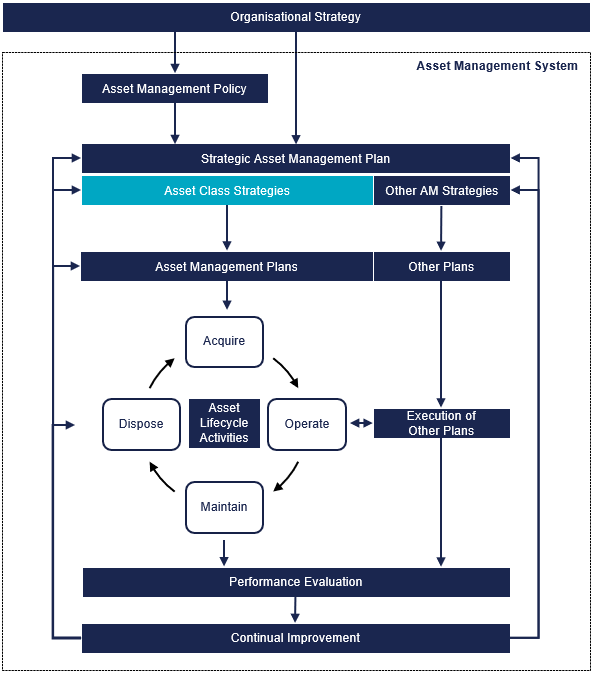
Figure 1: Typical asset management system showing the role of fleet strategies
Drawing on practical experience from New Zealand’s utilities sector, the paper also provides guidance on common questions faced by organisations, including:
How to motivate investment in asset class strategies amid competing priorities
How to determine the appropriate number and scope of asset class strategies
What structure and content asset class strategies should include
How to manage and govern these strategies so they remain effective over time
Real-world examples highlight how asset class strategies are increasingly recognised as enablers of mature asset management practice, including their role in regulatory confidence and expenditure assurance.
The Āpōpō Congress is a leading forum for infrastructure asset management professionals, bringing together practitioners, leaders, and thinkers to explore how asset management can better support long-term outcomes for communities and future generations.
The full paper will be available on this page following the event.
Abstract
Infrastructure organisations manage extensive and diverse physical asset portfolios with complex and varied lifecycle management requirements. While the SAMP defines portfolio-level decision-making frameworks, objectives, and major activities, a second layer of strategy decomposition is required to account for the technical differences between asset fleets.
Asset class strategies provide vital connectivity between the SAMP and work planned on the assets, and allow technical subject matter experts to specify how the portfolio-level strategy will apply in their areas of responsibility. When implemented effectively, benefits include improved understanding of risk in the assets, reduction in asset failures, more efficient investment, regulatory assurance, and alignment between teams.
This paper outlines the role of asset class strategies in an ISO 55001-aligned asset management system. Examples from the utilities sector are discussed to identify the key data, information, and knowledge they should contain. Practical guidance on developing asset class strategies is provided to assist organisations on this journey.
Interested in asset class strategy development?Asset Dynamics works with infrastructure organisations across New Zealand to develop asset class strategies that support mature, evidence-based asset management practice.
Get in touch